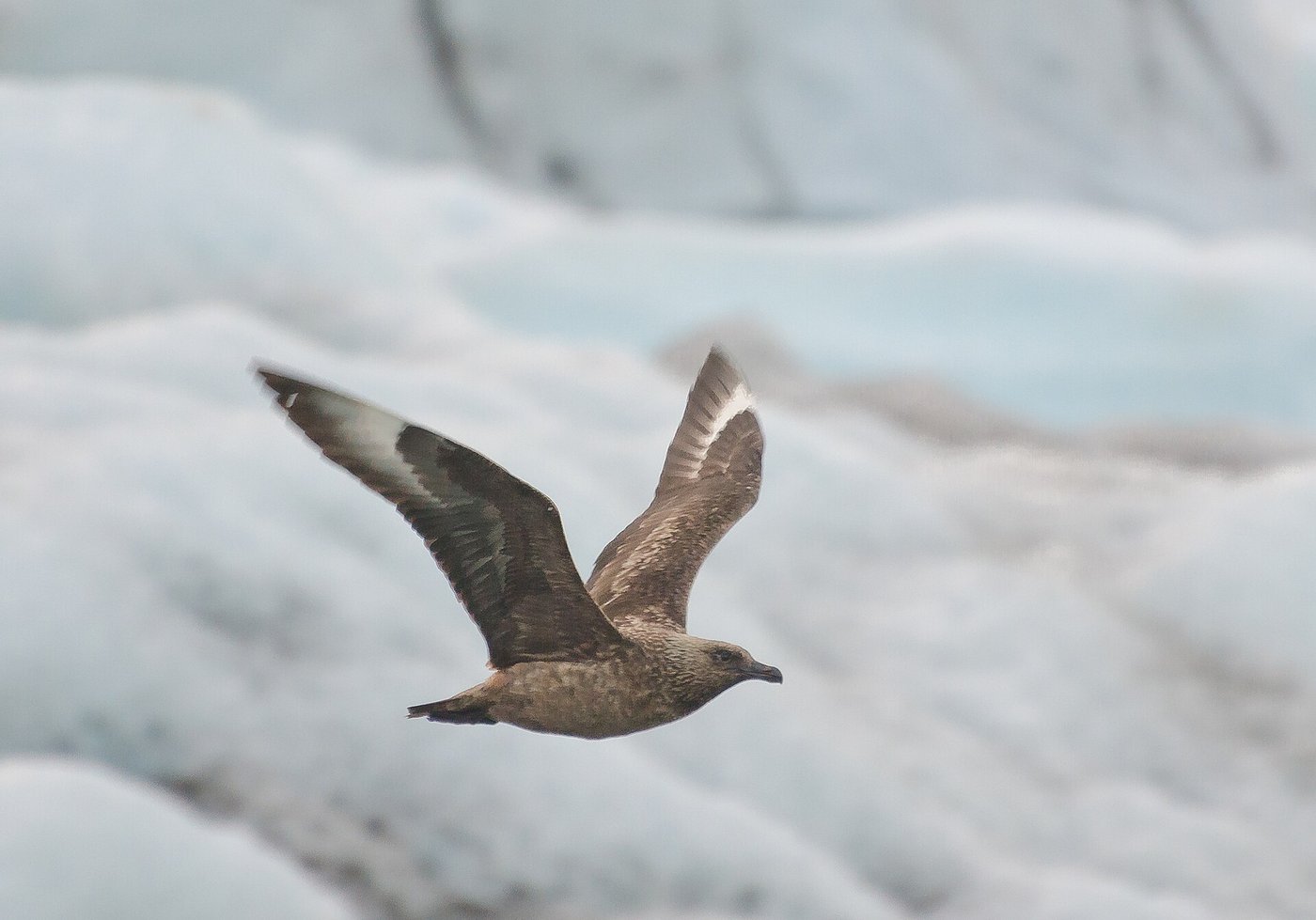
Skuas and terns
Great skuas patrol the sands and Arctic terns nest on the flats in summer. Both defend their ground. Keep your distance and stay on the path.
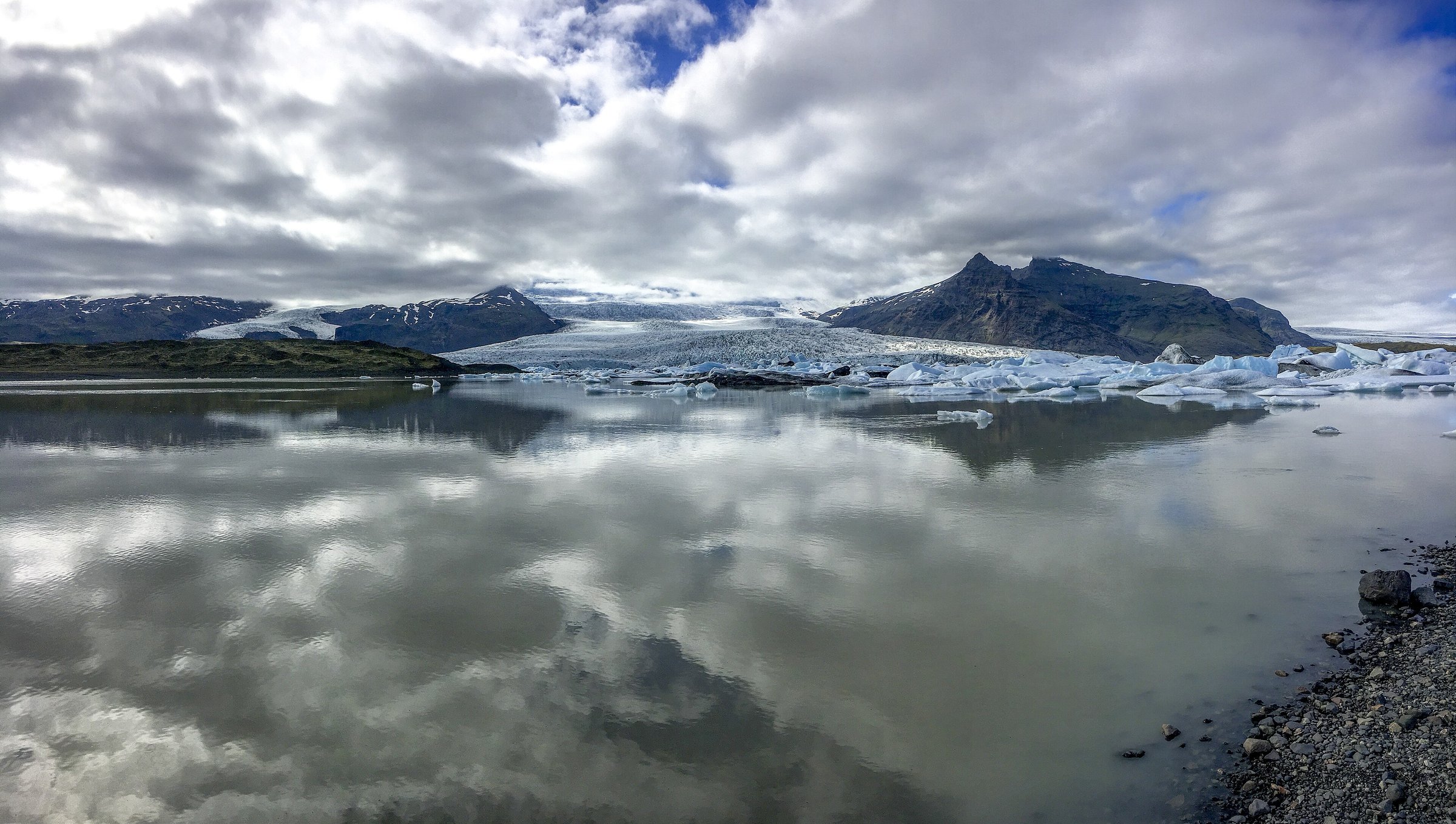
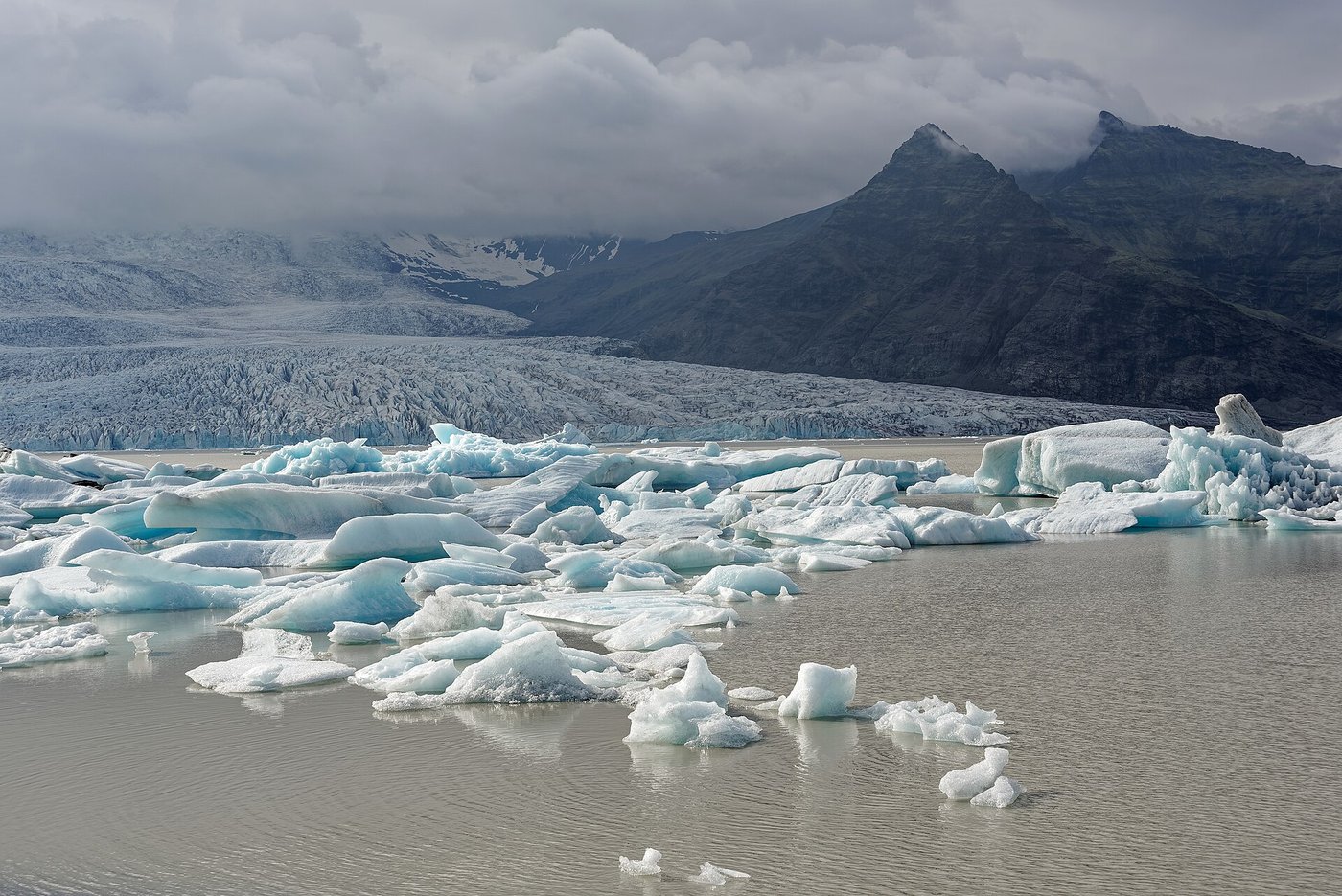
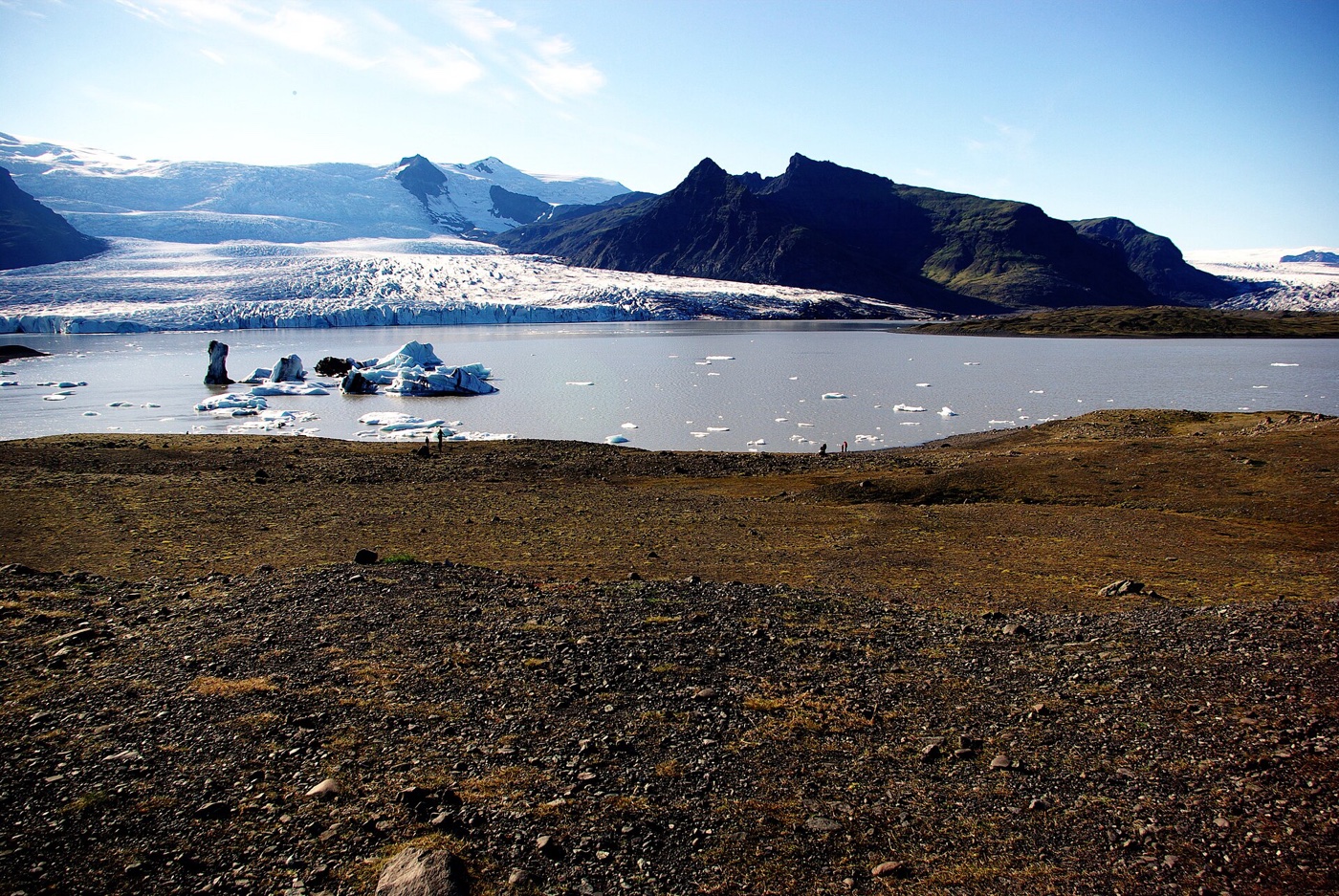
Fjallsjökull is an outlet glacier of Vatnajökull, the largest ice cap in Europe. It pours down the southern flank of Öræfajökull, Iceland’s highest volcano, and ends in the water of Fjallsárlón.
Above it stands Hvannadalshnúkur, the summit of Öræfajökull and the highest point in the country. The ice you see at the lagoon fell as snow up there, long before anyone farmed below.
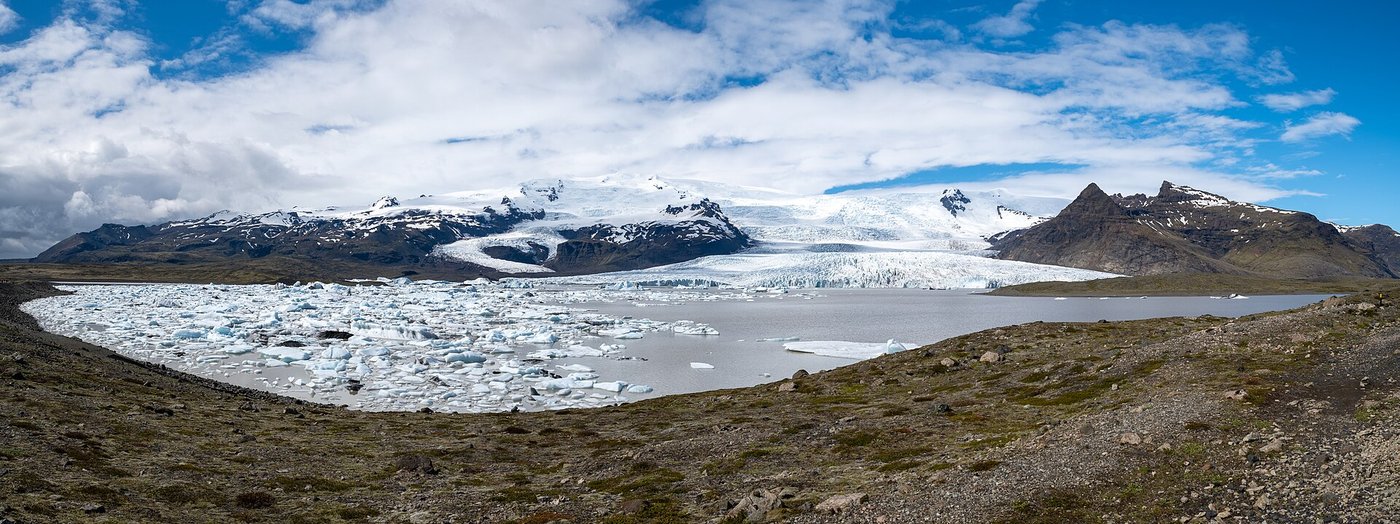
As the glacier advanced it scooped a deep basin and pushed a ridge of rock and gravel, the moraine, in front of it. When the ice began to retreat, meltwater filled the hollow.
Every year the face pulls back a little further and the lagoon grows into the space. The river Fjallsá carries its overflow a short way to the sea.
The same lagoon, sixteen years apart. Older archive photographs from the landowners to come.
Great skuas patrol the sands and Arctic terns nest on the flats in summer. Both defend their ground. Keep your distance and stay on the path.
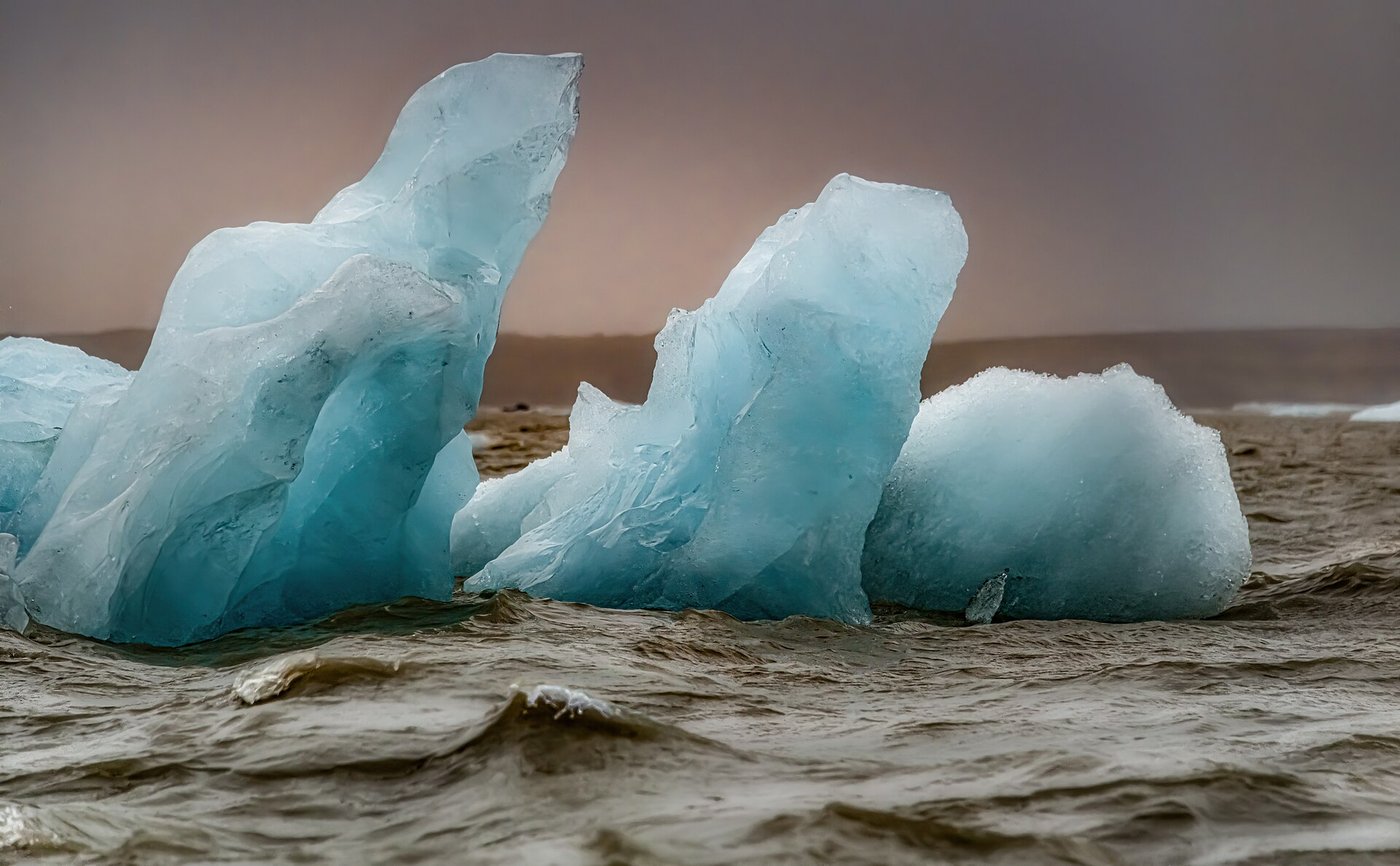
Air trapped in old ice pops as it melts. Bergs knock together. Once in a while the face gives way and the sound arrives a moment after you see it.
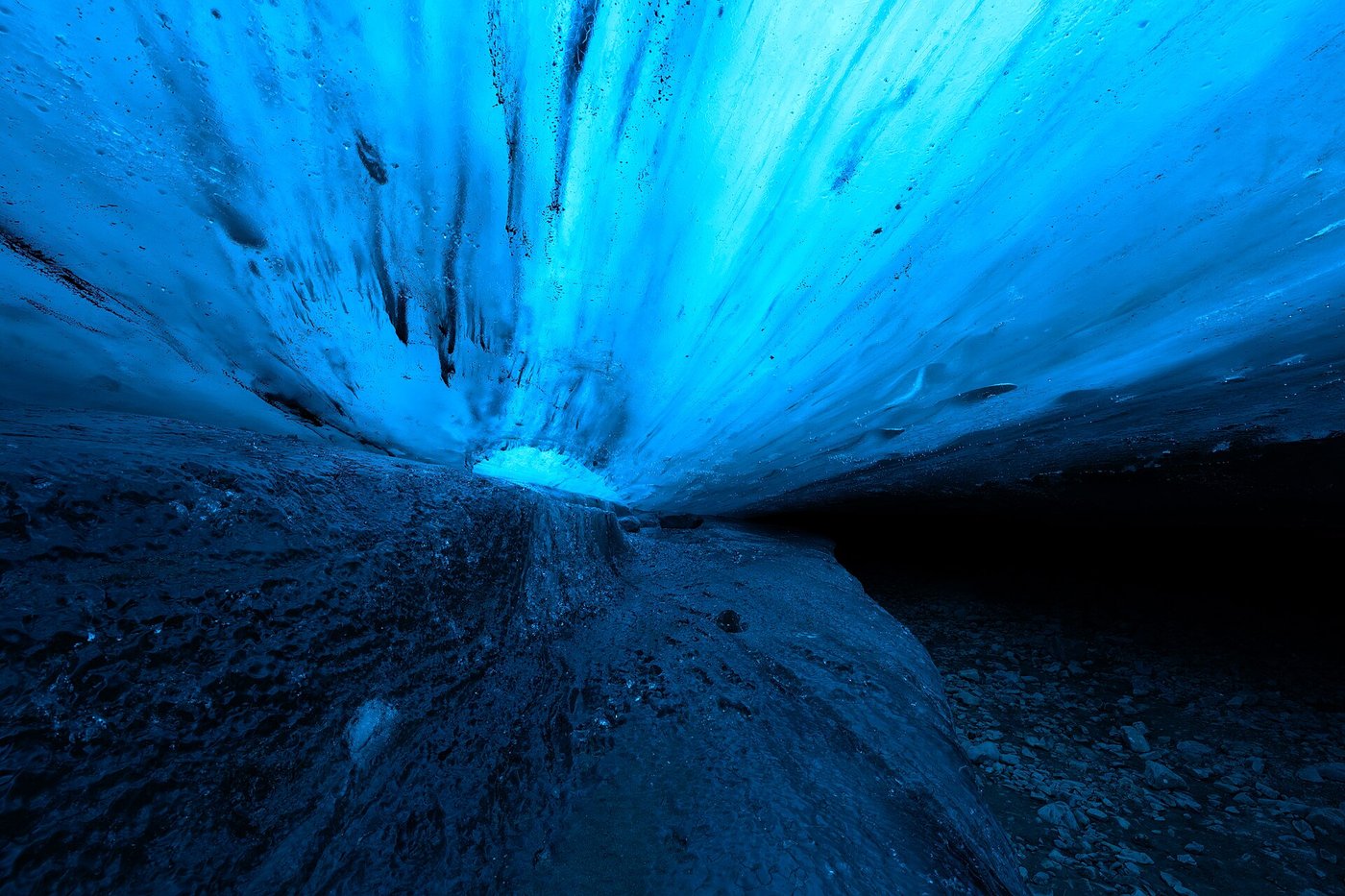
Summer brings long gold evenings on white bergs. In winter the ice is denser and bluer, and the lagoon can freeze still.
Not quite. Fjallsjökull is the glacier (jökull, glacier). Fjallsárlón is the lagoon in front of it (lón, lagoon), named after the river Fjallsá that drains it. Visiting one means visiting both.
Roughly FYATLS-yeu-kutl and FYATLS-owr-lown. The double “ll” is a soft “tl”.
Only with a certified guide. Crevasses and meltwater channels are hidden under snow and debris. See safety.